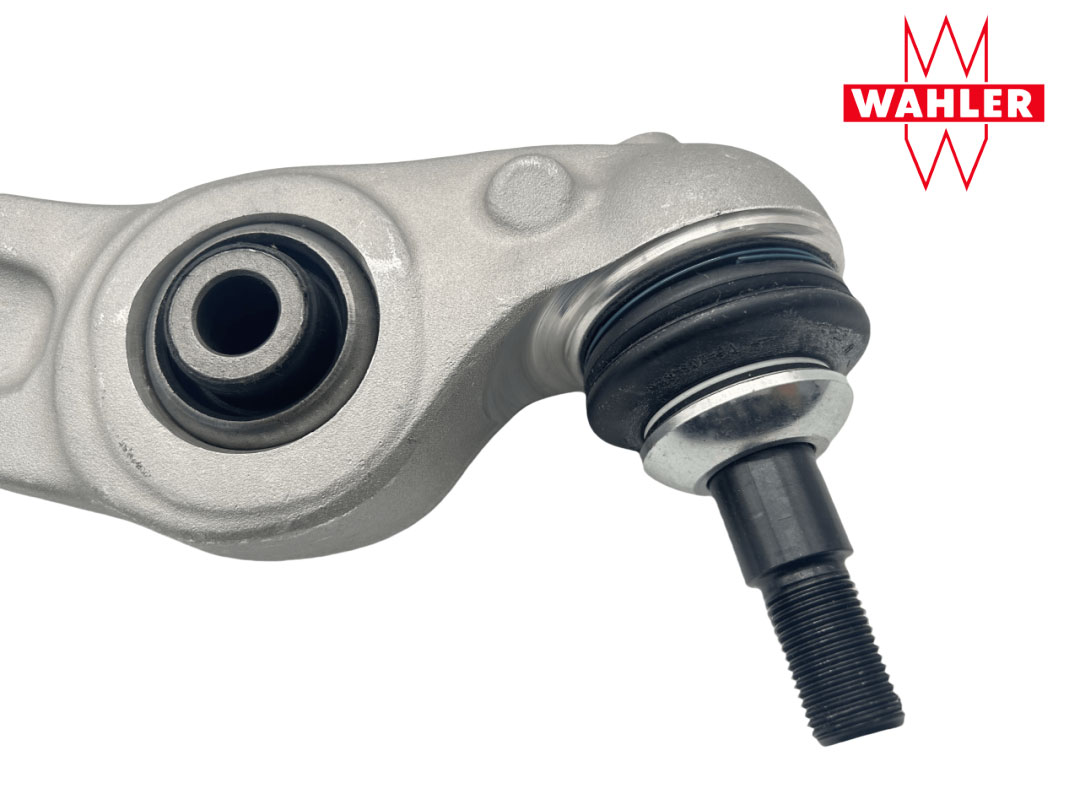

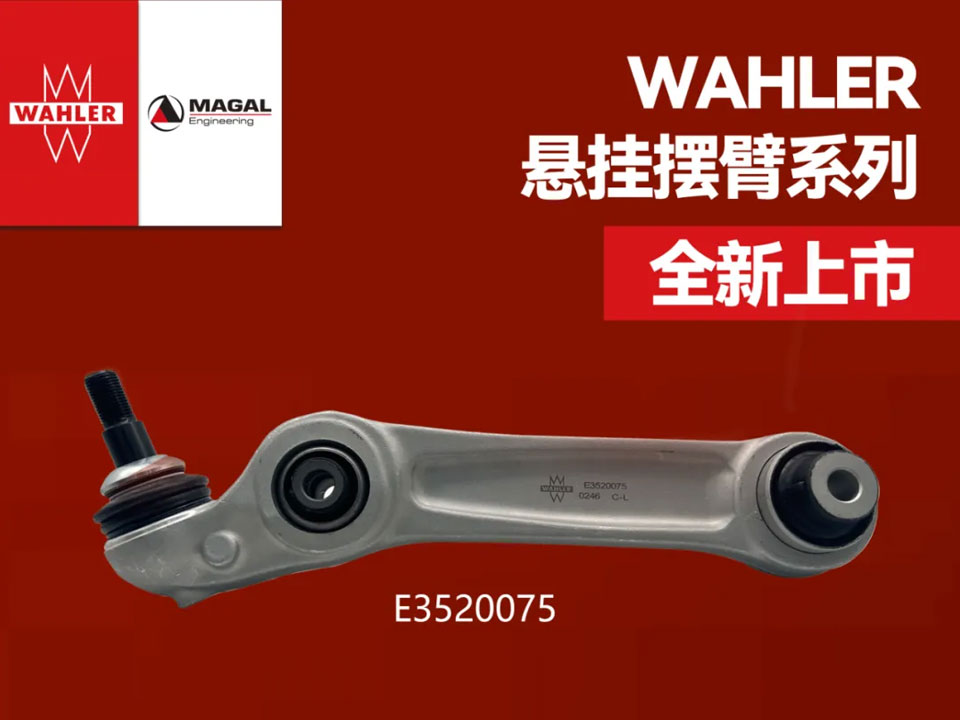
WAHLER has globally launched its high-end control arm series, engineered with superior structural rigidity to optimize vehicle chassis kinematics and ride comfort. This new product line expands the brand’s premium aftermarket portfolio, backed by stringent quality control and comprehensive installation guidelines to ensure elite driving stability.
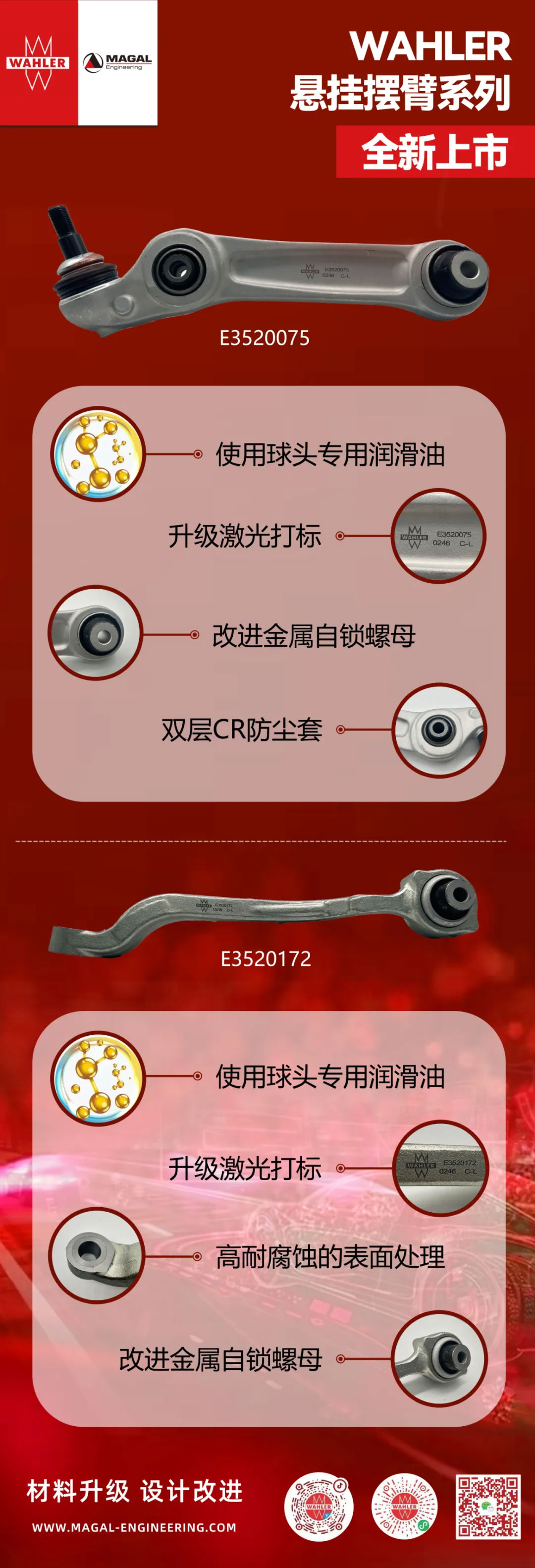
The Architecture of Control Arms
The control arm serves as a primary load-bearing component within the chassis system, engineered to manage tensile and compressive forces with high strength and structural rigidity. It dampens chassis-transmitted vibrations while stabilizing tire kinematics, ensuring superior handling precision and ride comfort.
As a core structural anchor, the control arm supports the vehicle body and coordinates dynamically with the shock absorber. Any compromise or structural failure in the control arm drastically reduces vehicle stability, degrades steering precision, and causes suspension noise on uneven terrains.
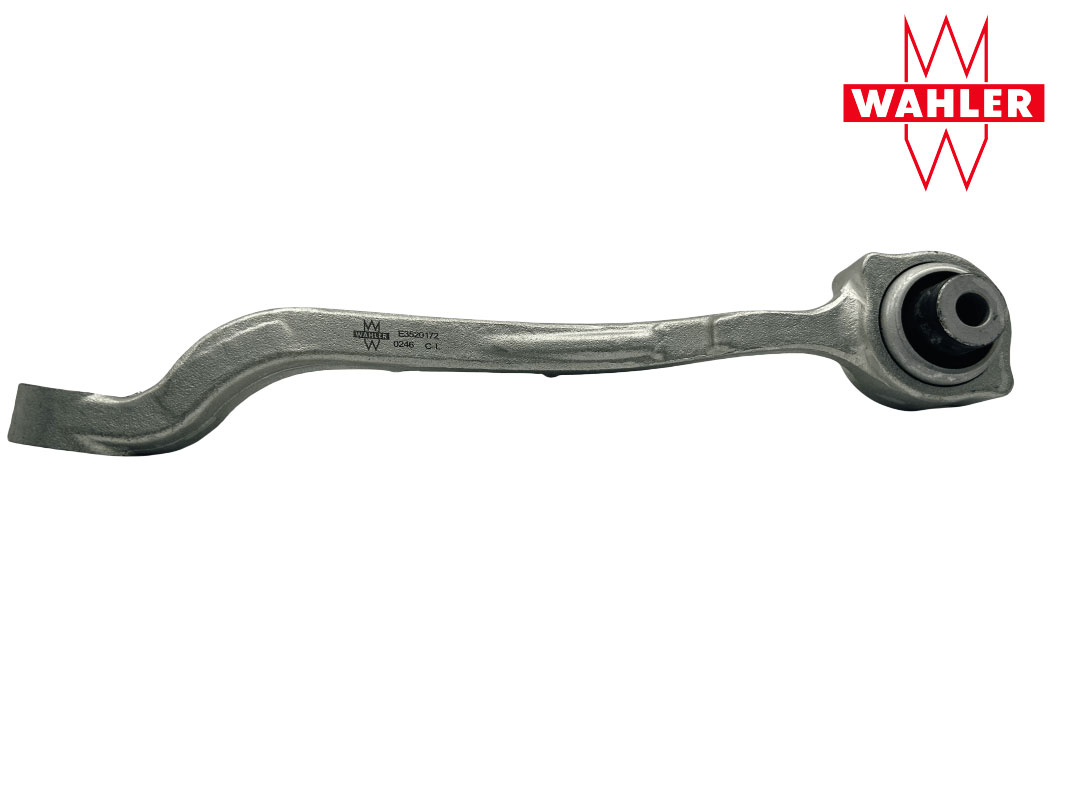
- Front Control Arms:
These components act as the foundational guide and support for the suspension system. Any geometric deformation directly alters wheel alignment and compromises driving stability.
- Lower Control Arms:
Tasked with supporting vehicle weight and integrating with shock absorbers and springs, lower control arms buffer dynamic road vibrations, manage weight distribution, and direct steering vectors.
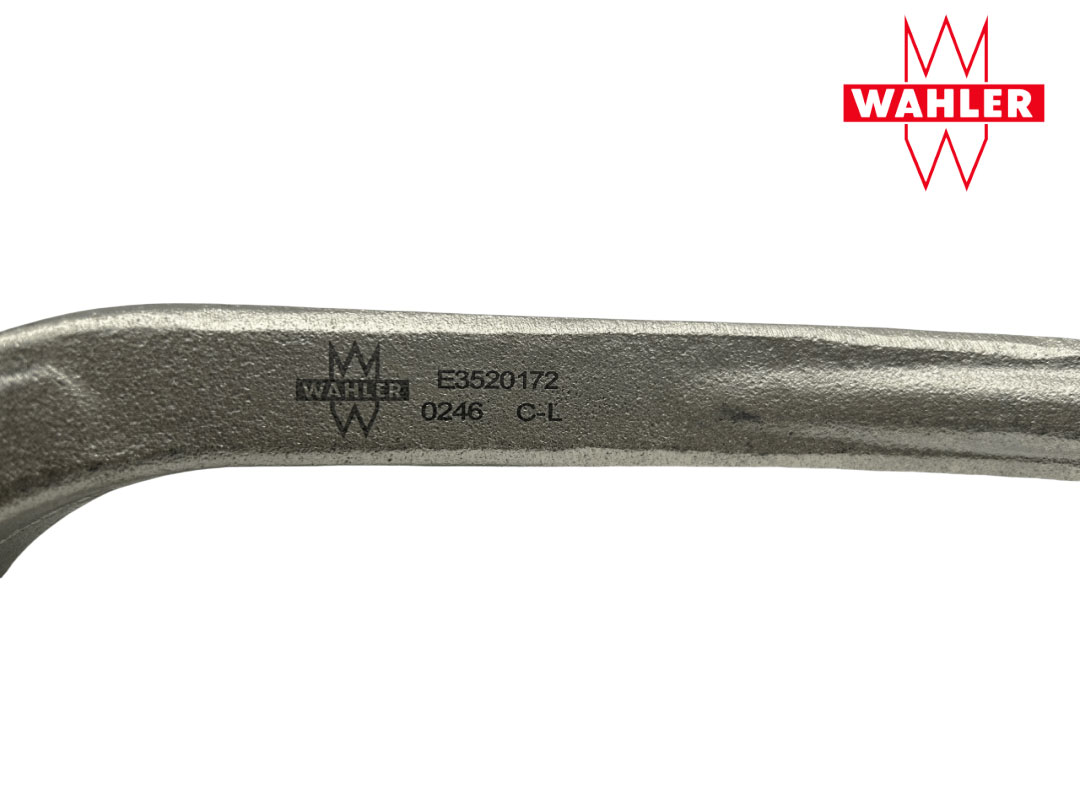
Operational Integrity & Maintenance Guidelines
- Corrosion Prevention:
Regular visual inspections of the control arm—located at the critical junction between the front wheel and the subframe—are vital. Any signs of surface oxidation or corrosion require immediate technical assessment.
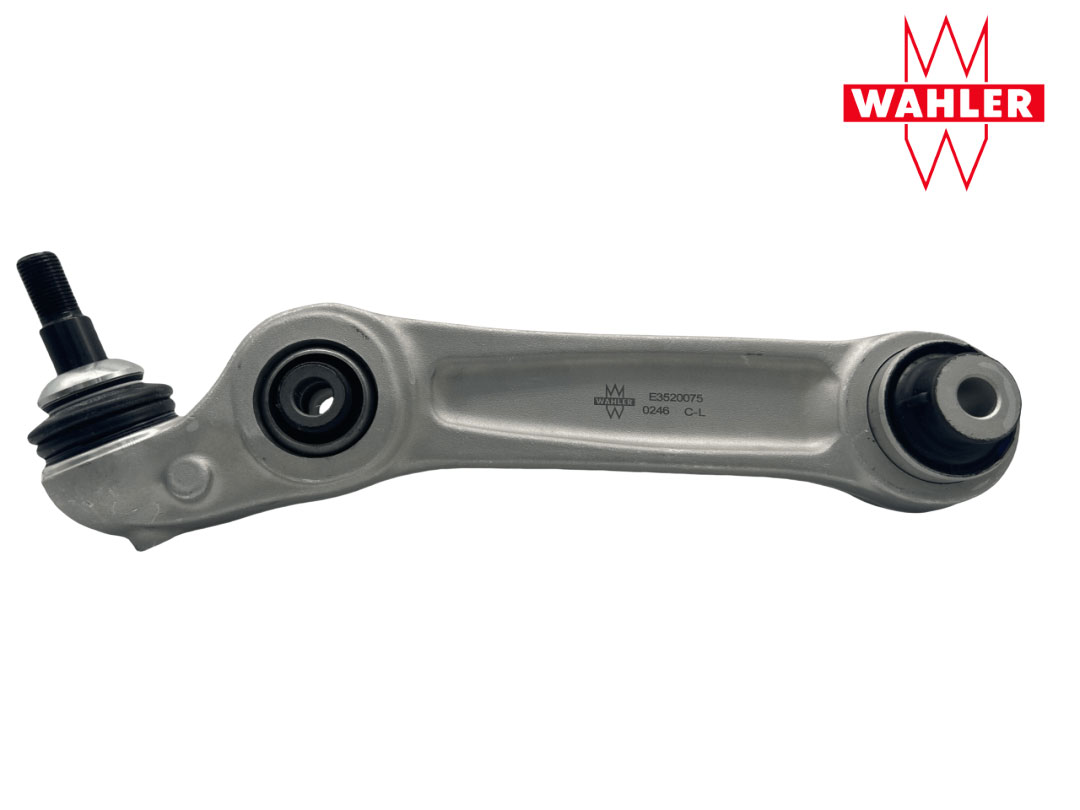
- Chassis Impact Mitigation:
Avoiding rough terrains reduces the risk of underbody impacts. Chassis scrapes can cause micro-cracks in the control arm, leading to steering wheel vibration, vehicle pulling, or tracking errors.
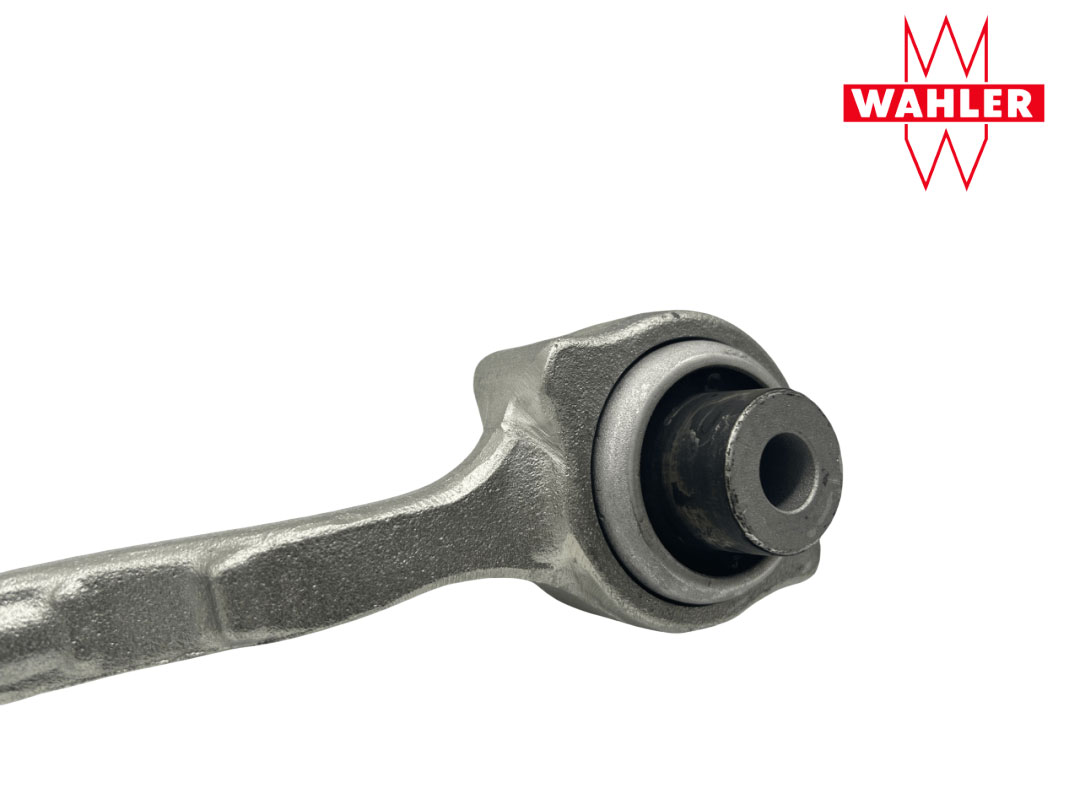
- Timely Replacement:
Damaged or worn control arms must be replaced promptly to prevent catastrophic suspension failure. Lifespans vary by application; replacement cycles should strictly follow OEM service manuals or professional workshop diagnostics.
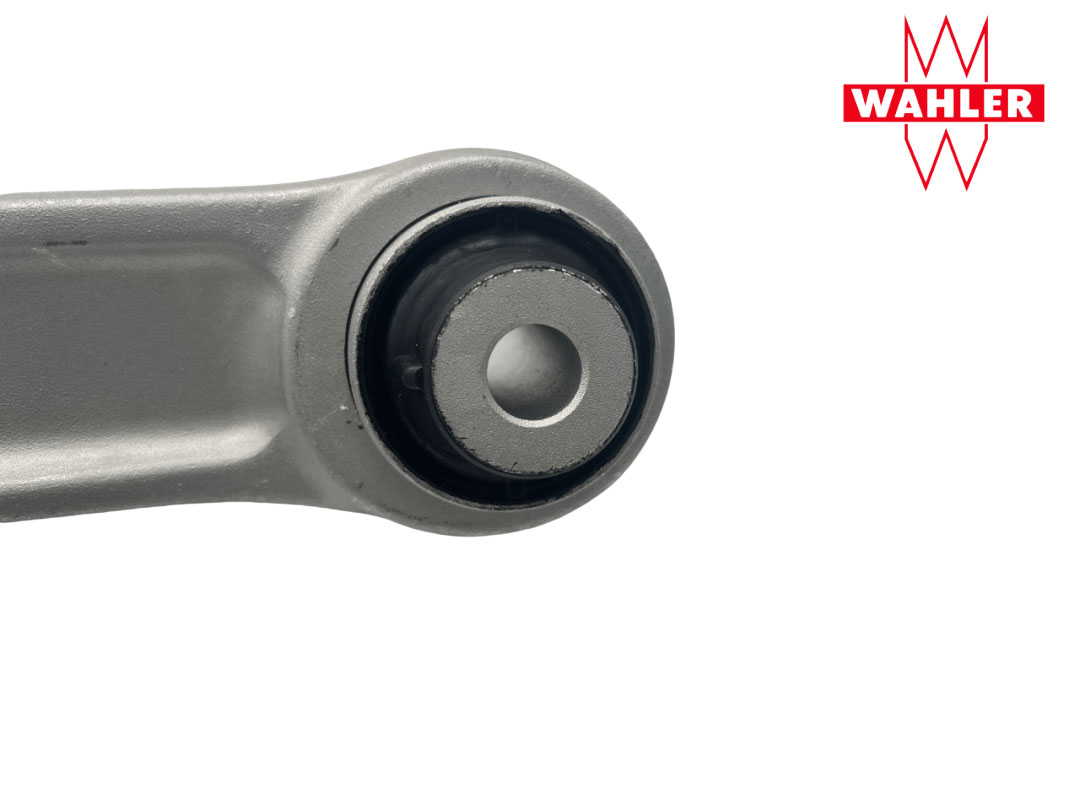
- Four-Wheel Alignment:
Executing a comprehensive four-wheel alignment is mandatory following any control arm replacement to counteract tracking deviations, uneven tire wear, and drift.